
What Do Melanurus Wrasse Eat

What Do Melanurus Wrasse Eat? A Complete Feeding Guide
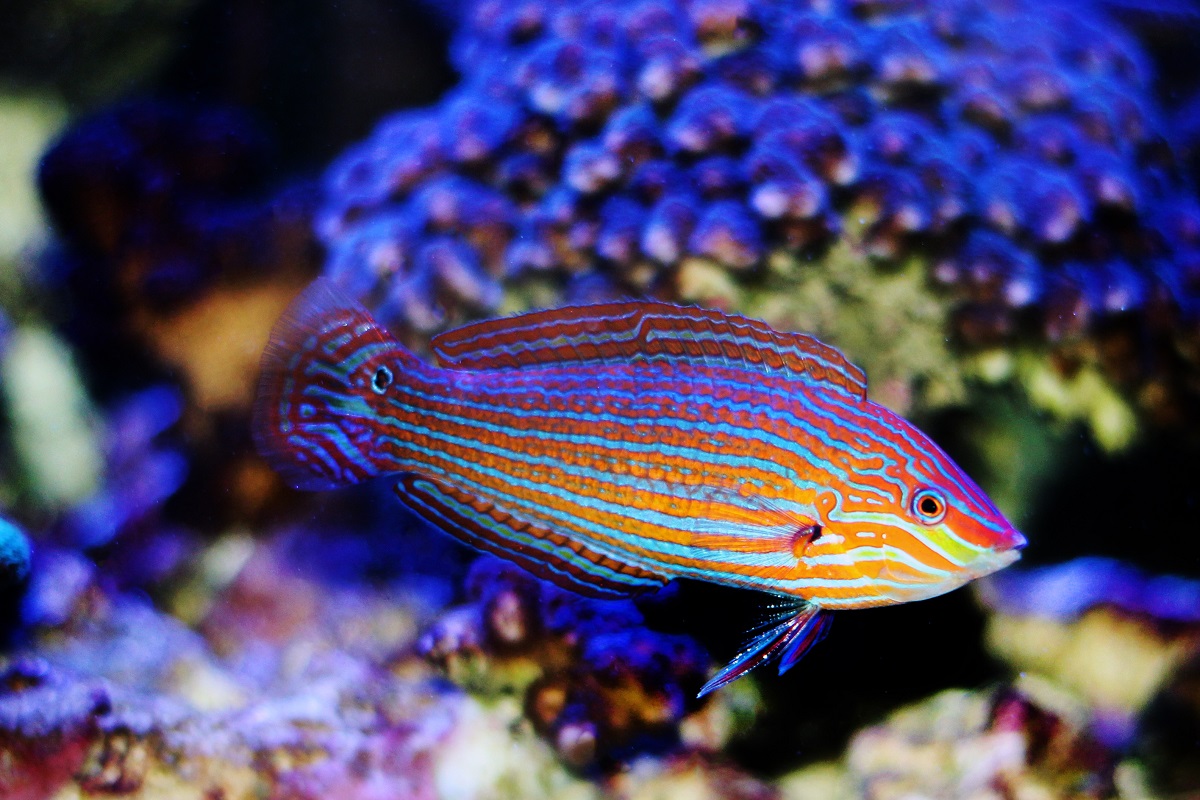
Melanurus wrasse, scientifically known as Halichoeres melanurus, are popular reef aquarium fish valued for both their striking appearance and beneficial feeding habits. Understanding their dietary requirements is essential for maintaining these active fish in optimal health throughout their potential 5 to 8 year captive lifespan.
Natural Diet and Feeding Behavior
In their natural Indo-Pacific reef habitats, melanurus wrasse are carnivorous hunters that actively forage throughout the day. They feed primarily on small crustaceans, worms, snails, and other small invertebrates found in the substrate and among rockwork. Their diet consists largely of copepods, amphipods, isopods, small shrimp, flatworms, and various micro-fauna that inhabit coral reefs.
These wrasse are diurnal feeders, meaning they’re most active during daylight hours. At night, they burrow into the sand substrate to sleep, emerging at dawn to resume foraging activities.
Appropriate Foods for Captivity
Melanurus wrasse adapt readily to aquarium life and accept a wide variety of prepared foods that meet their carnivorous nutritional needs.
Frozen Foods: Frozen mysis shrimp should form the staple of their diet due to its high protein content and nutritional value. Frozen brine shrimp is readily accepted though less nutritious than mysis. Other suitable options include frozen cyclops, copepods, finely chopped squid, clam, krill, and other marine meaty foods. Variety in frozen food offerings ensures balanced nutrition.
Prepared Foods: High-quality marine pellets and flakes formulated for carnivorous fish are accepted once the wrasse becomes acclimated. Look for products containing marine proteins and designed for active carnivores. Many melanurus wrasse readily learn to accept pellet foods and will come to the surface during feeding.
Live Foods: Live blackworms, live brine shrimp, and live copepods are accepted enthusiastically and provide enrichment, though they’re not necessary for proper nutrition in established specimens.
Feeding Frequency and Amount
Due to their active metabolism and constant movement, melanurus wrasse benefit from feeding twice to three times daily. Offer amounts they can consume within approximately three minutes per feeding. Their high activity level requires regular caloric intake to maintain body condition.
These fish are competitive feeders that actively pursue food throughout the water column, so they typically have little difficulty obtaining adequate nutrition in community reef settings.
Pest Control Feeding Behavior
Melanurus wrasse are particularly valued for consuming certain aquarium pests as part of their natural foraging behavior. They actively hunt flatworms, including planaria and some species that affect corals. They also consume pyramidellid snails, small bristle worms, and various other micro-invertebrates.
However, the presence of these organisms in the aquarium should not be considered a primary food source. Supplemental feeding with quality prepared and frozen foods remains necessary for proper nutrition and long-term health, even in tanks with abundant micro-fauna.
Nutritional Requirements
As obligate carnivores, melanurus wrasse require protein-rich diets. Their nutritional needs include adequate animal proteins, essential fatty acids, vitamins, and minerals found in marine organisms. Diets lacking sufficient protein or variety can lead to malnutrition, weakened immune systems, color fading, and reduced lifespan.
Dr. Reef’s Pre-Acclimated Specimens
Most melanurus wrasse adapt quickly to captive feeding schedules. At Dr. Reef’s Quarantined Fish, our melanurus wrasse are already acclimated to frozen and prepared foods during our comprehensive quarantine process, ensuring they readily accept standard aquarium diets upon arrival. This eliminates the challenge of training wild-caught specimens to accept non-live foods.
Dr. Reef’s quarantine protocols verify that each wrasse is feeding consistently on multiple food types and maintaining excellent body condition before being made available to customers. This provides assurance that your melanurus wrasse will transition smoothly to your established feeding routine without the stress or difficulty sometimes associated with newly imported fish.
Indicators of Proper Nutrition
A properly fed melanurus wrasse maintains vibrant coloration, displays active swimming and foraging behavior throughout the day, and shows good body condition with a slightly rounded belly. Signs of inadequate nutrition include faded coloration, lethargy, visible thinness along the lateral line, and reduced activity levels.
Melanurus wrasse are generally robust feeders that adapt well to varied aquarium diets. Providing quality meaty foods multiple times daily, combined with their natural foraging on micro-fauna within the aquarium, supports their health and allows them to fulfill their beneficial role in reef aquarium ecosystems. Starting with properly quarantined specimens from Dr. Reef’s Quarantined Fish ensures your melanurus wrasse arrives ready to thrive on your feeding program from day one.